Bathrooms are among the most essential spaces in any home, yet they often pose a design challenge. While functionality is non-negotiable, bathrooms can disrupt the flow of interior spaces if their entrances stand out too much. This is where concealed bathroom doors come in. By blending seamlessly into walls, cabinetry, or decorative elements, these doors keep bathrooms discreet and stylish. Concealed bathroom doors are not just a design trend; they are an architectural solution that marries practicality with aesthetic refinement. From minimalist apartments to grand luxury homes, they are increasingly being used to create interiors that are both functional and visually harmonious.
A: Better than a plain slab if you add gaskets, drop seals, and a solid core; pair with a quiet fan.
A: Swing wins for acoustics; pockets can work with brush seals and solid latches.
A: Not if you use moisture-tolerant cores, seal all sides, and keep ventilation adequate.
A: Yes—touch latches or edge pulls; include an accessible pull if users need easier grip.
A: 2–3 mm uniform gaps, blacked out; match adjacent wall/cabinet lines.
A: Great if you add a demister and protect edges; plan wiring during fabrication.
A: Use gaskets plus a proper exhaust path (undercut or transfer grille) to keep airflow moving.
A: Basic flush retrofit $500–$1,200; custom pivot/veneer systems $1,500–$4,000+ depending on size and finish.
A: Often—add blocking, swap hinges/latch, reskin the face, and feather finishes to match.
A: Simple retrofits can be a day; custom millwork and paint-matching often take several days to a week+.
The Psychology of Concealment
The appeal of concealed bathroom doors lies not only in aesthetics but also in psychology. People are naturally drawn to the idea of hidden entrances. A bathroom door that doesn’t announce itself reduces awkwardness, especially in open-plan living spaces or areas near dining rooms and lounges. Concealment adds comfort by maintaining privacy while preserving elegance. For guests, concealed bathroom doors enhance the experience of a home, offering subtle discretion instead of obvious functionality.
Why Concealed Bathroom Doors Matter
Bathrooms serve practical needs, but their doors can disrupt an otherwise seamless design. Traditional bathroom doors often stand out due to their placement, handles, or contrasting finishes. Concealed bathroom doors solve this problem by blending into the surrounding environment. A panel door painted the same color as the wall, a mirrored surface doubling as decor, or even cabinetry that disguises the entrance—all ensure that the bathroom remains accessible without disrupting the design narrative. They matter because they preserve the visual flow of a space while enhancing privacy and sophistication.
Styles of Concealed Bathroom Doors
Concealed bathroom doors come in a wide variety of styles, adaptable to different homes and preferences.
Flush Panel Doors: These align perfectly with the wall, often painted or wallpapered to match. When closed, they are indistinguishable from the wall.
Mirror Doors: Full-length mirrors serve a dual purpose, adding depth and reflecting light while concealing the bathroom entrance.
Cabinetry-Style Doors: Popular in modern apartments, these make the bathroom door appear as part of cabinetry or storage units.
Sliding Wall Panels: Instead of swinging open, the bathroom door slides into the wall, disappearing from view.
Each of these styles emphasizes seamless integration, ensuring that bathrooms are functional yet unobtrusive.
Material and Finish Considerations
The choice of materials and finishes plays a crucial role in concealment. A concealed bathroom door should use the same finish as its surroundings—whether wood veneer, paint, wallpaper, or laminate. In luxury interiors, stone cladding or high-gloss lacquer can help the door vanish into the design. In minimalist homes, matte finishes maintain subtlety. For mirrored doors, tempered glass ensures both safety and elegance. The goal is consistency: the door should look like a natural extension of the wall or cabinetry rather than an entry point.
Engineering and Mechanisms
Concealed bathroom doors require careful engineering to ensure they function smoothly without breaking the illusion of concealment. Flush hinges, magnetic latches, and push-to-open mechanisms are commonly used to eliminate visible hardware. Some doors use pivot hinges that allow wide openings while keeping the frame minimal. Sliding concealed doors operate on hidden tracks, making them appear to vanish when opened. Soundproofing is another important consideration for bathroom doors, ensuring privacy without compromising the slim, elegant construction.
Space-Saving Solutions
Bathrooms are often located in smaller or high-traffic areas, making concealed doors especially valuable for saving space. A sliding concealed bathroom door eliminates the swing radius, perfect for tight hallways or compact apartments. Even flush panel doors, when designed with minimal frames, maximize usable space by creating cleaner transitions between rooms. For small bathrooms, a concealed door makes the room feel larger because the entry does not break up the surrounding design.
Integrating with Interior Design Themes
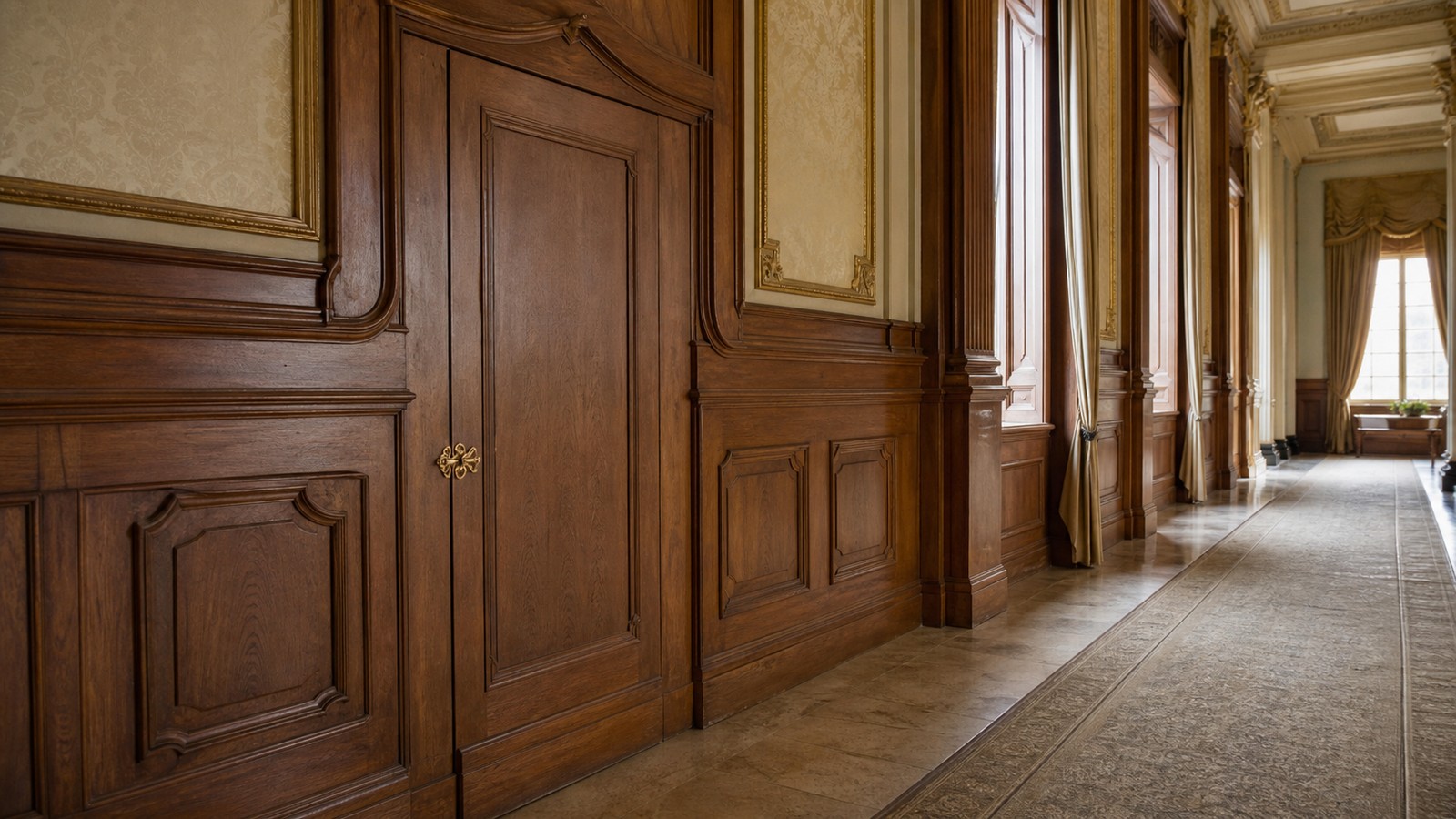
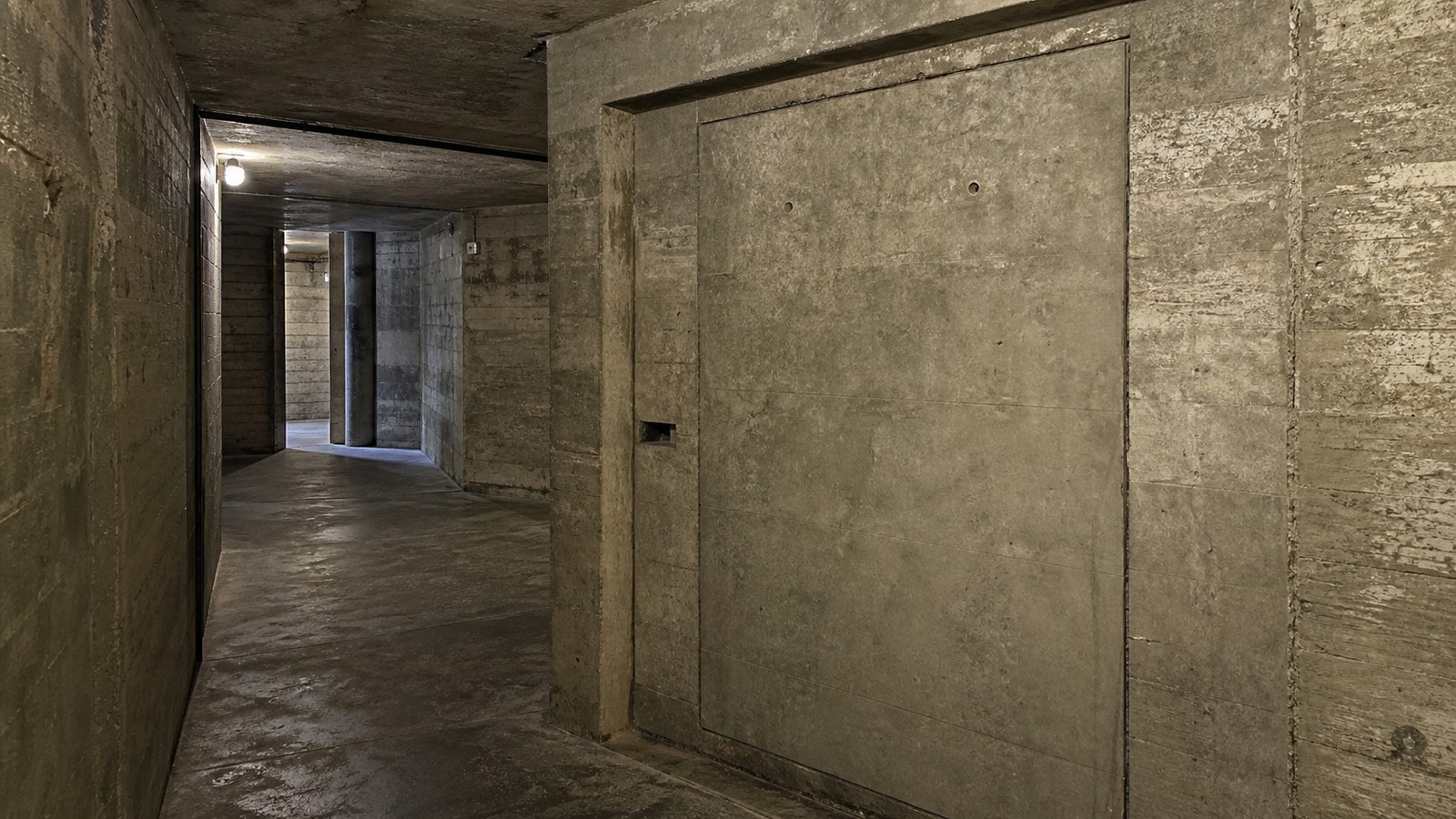
One of the greatest strengths of concealed bathroom doors is their adaptability to different design themes. In modern minimalist interiors, doors can be painted the same shade as walls, creating invisible transitions. In traditional homes, wood-paneled doors blend into wainscoting or cabinetry. For industrial-style spaces, concealed doors clad in raw finishes like concrete or metal become part of the design language. In luxury homes, mirrored or high-gloss concealed doors reflect elegance while hiding functionality. Whatever the theme, the door becomes a natural part of the story, not an interruption.
The Role of Lighting
Lighting plays a subtle but important role in enhancing concealed bathroom doors. Wall sconces or recessed lighting can be placed strategically to draw attention away from the door itself. For mirrored doors, lighting amplifies reflection, further blending the surface into its surroundings. Inside the bathroom, concealed LED strips can activate as soon as the door opens, ensuring a smooth, modern user experience. By carefully controlling lighting, designers ensure the door’s concealment remains convincing.
Soundproofing and Privacy
While concealment focuses on visual design, bathroom doors must also ensure privacy. Soundproofing materials can be integrated into concealed doors without compromising their slim profiles. Acoustic seals and reinforced cores prevent noise leakage, addressing one of the most common concerns with hidden bathroom entrances. The combination of seamless appearance and practical sound control ensures that the door functions as well as it looks.
Security and Technology Integration
Though less common in bathroom applications than in panic rooms or safes, technology can enhance concealed bathroom doors. Push-to-open mechanisms with electronic latches, touch-sensitive panels, or even smartphone-controlled locks add futuristic convenience. In smart homes, bathroom doors can integrate with lighting and ventilation systems, automatically activating fans or lights when the door is opened. While the technology isn’t necessary for every home, its integration makes concealed bathroom doors even more appealing to those who want convenience alongside style.
Case Studies: Real-Life Applications
In one modern loft, a concealed bathroom door was painted the exact matte white of the surrounding walls, disappearing entirely when closed. In another, a mirrored bathroom door in a small apartment created the illusion of more space while hiding the restroom entrance. A luxury penthouse used a concealed sliding panel clad in marble, perfectly aligned with the surrounding wall to disguise the guest bathroom. Each example demonstrates how concealed doors adapt to context, balancing privacy with design ingenuity.
Psychological and Emotional Benefits
Beyond practicality, concealed bathroom doors add emotional value to a home. They make spaces feel more sophisticated, clean, and well-organized. For homeowners, knowing that a utilitarian feature like a bathroom door does not disrupt the visual flow creates a sense of satisfaction and pride. Guests often find hidden bathroom entrances intriguing, adding an element of surprise and delight. By balancing discretion and elegance, concealed bathroom doors elevate everyday living into an experience.
Costs and Considerations
The cost of concealed bathroom doors varies depending on materials, mechanisms, and complexity. A simple flush panel door painted to match the wall may cost a few hundred dollars, while custom designs with high-end finishes can run into the thousands. Homeowners should also factor in installation, which requires precision to ensure seamless alignment. Despite the investment, concealed bathroom doors add long-term value by enhancing both design and privacy. In real estate markets, they are often viewed as premium features that set homes apart.
Sustainability in Concealed Door Design
As with many aspects of modern construction, sustainability is influencing concealed bathroom door design. Eco-friendly materials, such as low-VOC paints, recycled wood, and energy-efficient laminates, are increasingly popular. Manufacturers are exploring new ways to reduce waste during production while offering long-lasting, durable concealed doors. For homeowners looking to align style with environmental responsibility, sustainable concealed doors provide peace of mind.
The Future of Concealed Bathroom Doors
Looking ahead, concealed bathroom doors are likely to become even more integrated with technology and design innovation. Augmented reality tools will allow homeowners to preview concealed designs before installation. Smart materials may enable color-shifting finishes, allowing doors to adapt to changing interior themes. Hidden bathroom entrances will continue to evolve alongside modern architectural trends, offering increasingly sophisticated ways to balance functionality with beauty.
Elevating Privacy with Seamless Design
Concealed bathroom doors embody the perfect blend of discretion and design. By hiding entrances within walls, cabinetry, or mirrors, they preserve privacy while enhancing elegance. Whether chosen for minimalist modern apartments, traditional homes, or luxury residences, these doors elevate the bathroom from a purely functional necessity into part of an integrated design vision. More than just hidden entrances, concealed bathroom doors are a testament to the idea that the most effective designs are often the ones you don’t notice. For homeowners seeking seamless integration and elevated living, concealed bathroom doors are the ultimate solution.