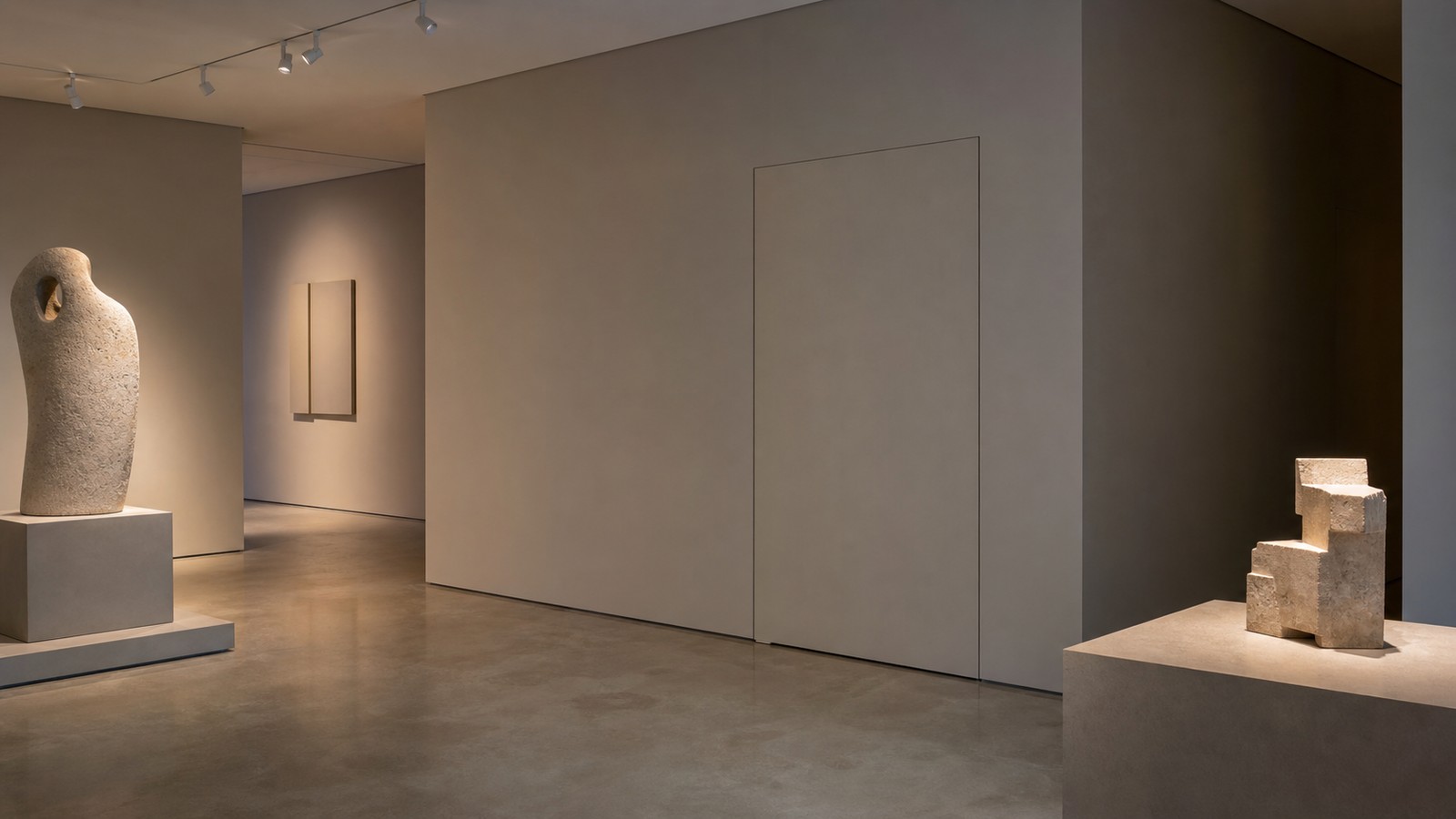
Basements have long been valued as versatile spaces in residential architecture. They serve as storage areas, workshops, wine cellars, entertainment hubs, or even storm shelters. Yet the way we access basements often leaves much to be desired. A clunky staircase or obvious door can interrupt a home’s design and signal where valuable storage may be kept. Concealed basement entrances solve this problem by combining practicality with discretion. By hiding access behind cleverly integrated doors, panels, or trapdoors, homeowners maintain security, preserve aesthetic harmony, and optimize everyday living. These hidden entrances are more than novelties—they are smart architectural upgrades for storage and safety.
A: Often—reskin the face, tighten reveals, add seals, and upgrade hinges/latch; verify swing and stair clearance.
A: Yes with counterbalance, hold-open hardware, and slip-resistant edges; avoid blocking egress routes.
A: Swing seals better for acoustics/odor; pockets save space—add brush seals and a solid latch.
A: Use gaskets, a sweep, and dehumidification; maintain traps and consider a dedicated return/exhaust.
A: Seals help, but real isolation needs mass + decoupling; enclose mechanicals per code.
A: Usually if you alter structure/electrical or stairs—check local requirements before framing.
A: Cosmetic reskins ~$400–$1,000; custom pivot/hidden systems $1,500–$5,000+; counterbalanced hatches add more.
A: Aim for ~2–3 mm, paint the gap black, and carry base/crown lines across the leaf.
A: Yes—keypads/app control with manual override and battery backup; tie status to your alarm.
A: Simple reskins can be a day; reframing, millwork, and finishing typically take several days to weeks.
A Brief History of Hidden Entrances
The concept of concealed basement entrances has roots stretching back centuries. Castles often featured trapdoors leading to cellars or tunnels for emergency escapes. In colonial America, basements served as root cellars, often accessed through simple hatches or hidden exterior doors. During Prohibition, many basements were disguised with concealed entrances to store and serve alcohol illegally. Hidden doors provided both security and secrecy. Today, the same principles of safety, privacy, and protection apply—only now they are elevated with modern design and engineering. Concealed entrances are no longer just relics of history; they are stylish, functional, and highly valued features in contemporary homes.
Why Conceal a Basement Entrance?
There are several reasons homeowners choose to conceal basement access:
Security: A hidden door ensures valuables stored in the basement are less likely to attract attention.
Aesthetics: Concealment maintains the flow of design, avoiding bulky doors or staircases disrupting open spaces.
Safety: Concealed entrances to storm shelters or panic rooms in basements provide discreet protection in emergencies.
Novelty and Fun: Beyond practical uses, hidden entrances evoke mystery and excitement, delighting family members and guests.
These motivations highlight how concealed basement entrances bridge the gap between practicality and creativity.
Styles of Concealed Basement Entrances
Hidden basement entrances come in many forms, adaptable to different architectural styles and homeowner needs.
Trapdoors: Flush with flooring, trapdoors are among the oldest and most effective designs. Finished in the same material as surrounding floors, they remain nearly invisible until opened.
Bookshelf Entrances: A swinging bookshelf in a hallway or study can disguise access to a staircase descending to the basement.
Cabinetry and Wall Panels: Basement entrances hidden behind paneling or cabinetry keep storage access subtle.
Staircase Integration: Some modern homes use sliding stairs or hinged risers that lift to reveal basement entrances.
Each style emphasizes concealment while maintaining usability.
Engineering the Hidden Entrance
While the idea of a hidden basement entrance is exciting, execution requires precision. Trapdoors, for example, must be structurally sound to support weight. Reinforced frames, heavy-duty hinges, and hydraulic lifts are often needed for smooth operation. Wall panels require perfect alignment to remain indistinguishable from surrounding surfaces. For bookshelves or cabinets, counterweights and concealed hinges allow heavy structures to swing open without strain. Engineering ensures these entrances are not only convincing but also safe, durable, and easy to use daily.
Materials and Finishes
The effectiveness of concealment depends largely on finishes. A trapdoor finished in the same hardwood as surrounding floors blends effortlessly. A panel door painted in the same color as walls becomes invisible. Bookshelf entrances must match existing cabinetry in wood tone, trim, and shelving style. For basements used as wine cellars or luxury retreats, finishes may be more decorative—stone or mirrored panels that hide entrances elegantly. Materials must also balance durability with design, capable of withstanding frequent use while preserving the illusion of invisibility.
Concealed Entrances for Storage Efficiency
Basements are often the most practical areas for storage, holding everything from seasonal decorations to family heirlooms. A concealed entrance enhances efficiency by keeping clutter out of sight while making access quick and convenient. Families can store valuable items like electronics or collections without advertising their location. Concealment also helps keep the home visually clean, particularly in open-plan designs where traditional basement doors may disrupt the flow. Hidden entrances let storage remain practical yet private.
Safety Applications: Storm Shelters and Panic Rooms
For many families, basements double as storm shelters or panic rooms. In regions prone to tornadoes or hurricanes, a concealed basement entrance provides discreet, secure access to a safe space. Panic rooms located in basements also benefit from hidden entrances, ensuring they remain undiscovered in emergencies. Concealment increases security by obscuring the location of protective spaces, giving families peace of mind. With reinforced doors and smart integration, these entrances can mean the difference between vulnerability and safety during critical moments.
Integration with Interior Design
Concealed basement entrances succeed when they integrate seamlessly with interior design. In modern minimalist homes, flush panel doors painted in wall-matching hues disappear into surfaces. In traditional homes, wood-paneled entrances blend with wainscoting or cabinetry. Rustic homes may use shiplap walls or stone cladding to hide doors convincingly. Flooring materials such as tile, hardwood, or carpet are carried over trapdoors, making them vanish entirely. The adaptability of concealed entrances ensures they complement rather than disrupt design.
Technology Enhancements
Modern concealed basement entrances can be enhanced with advanced technology. Hydraulic lifts make heavy trapdoors effortless to operate. Smart locks and biometric systems add secure access for panic rooms or wine cellars. Motion-activated lighting can illuminate stairways as soon as the door opens. Integration with smart home systems allows homeowners to monitor or lock entrances remotely. These innovations ensure hidden entrances keep pace with modern lifestyles, balancing discretion with cutting-edge convenience.
Case Studies: Hidden Access in Action
In a suburban home, a trapdoor finished with oak flooring hides access to a wine cellar, complete with climate control and LED lighting. In another example, a luxury townhouse conceals its basement behind a full-height bookcase in the library, swinging open to reveal a staircase. A farmhouse uses cabinetry in the kitchen to hide access to a storm shelter below, maintaining rustic charm while providing essential protection. Each case demonstrates how concealed entrances adapt to purpose, style, and safety.
Psychological Appeal of Concealed Entrances
Hidden doors and entrances tap into human psychology in a unique way. They create a sense of exclusivity, privacy, and control. For children, discovering a hidden basement entrance can spark imagination and play. For adults, the appeal often lies in discretion and security. There is a thrill in knowing that what looks ordinary is, in fact, extraordinary. Concealed basement entrances satisfy both emotional and practical needs, making them powerful design elements.
Costs and Considerations
The cost of installing a concealed basement entrance varies based on complexity, materials, and purpose. A basic trapdoor may cost a few thousand dollars, while custom bookshelf doors or reinforced panic room entrances can run much higher. Homeowners must also consider installation costs, as precise alignment and reinforcement are crucial. Despite the investment, concealed entrances add value to properties, enhancing both function and appeal. Buyers are often intrigued by hidden features, making them standout selling points in competitive real estate markets.
DIY vs. Professional Installation
Some concealed entrances, such as simple trapdoors, may be achievable as DIY projects with proper tools and carpentry skills. However, professional installation is recommended for more complex designs, particularly those involving reinforced structures, hydraulic lifts, or advanced security systems. Contractors and specialists ensure the entrance is structurally sound, seamlessly integrated, and safe for regular use. While DIY can save money, professional expertise guarantees durability and polish.
Sustainability in Concealed Entrances
Sustainability is becoming an important consideration in concealed design. Eco-friendly materials such as reclaimed wood, recycled steel, and low-VOC finishes are increasingly used. Energy-efficient lighting inside stairwells or basements reduces electricity usage. Concealed entrances themselves can contribute to sustainability by preserving design longevity and minimizing wasteful renovations. By combining hidden elegance with eco-conscious choices, homeowners enjoy both style and responsibility.
The Future of Concealed Basement Entrances
Looking ahead, concealed basement entrances will continue to evolve alongside technology and design trends. Future innovations may include voice-activated access, AI-driven security systems, and self-adjusting lighting. Materials may adapt to climate, blending thermal insulation with concealment. Augmented reality tools may let homeowners preview hidden entrances before construction. The future promises even greater sophistication, ensuring concealed basement entrances remain at the forefront of storage and safety solutions.
The Best Secrets Lie Beneath
Concealed basement entrances are far more than gimmicks. They embody the balance of practicality, safety, and design. By hiding access points behind trapdoors, panels, or bookcases, homeowners preserve the beauty of their interiors while gaining discreet storage and secure protection. Whether used for storm shelters, wine cellars, or family storage, these entrances represent smart design choices that elevate everyday living. In the end, the best secrets often lie beneath the surface—and concealed basement entrances prove that hidden access can be both beautiful and essential.