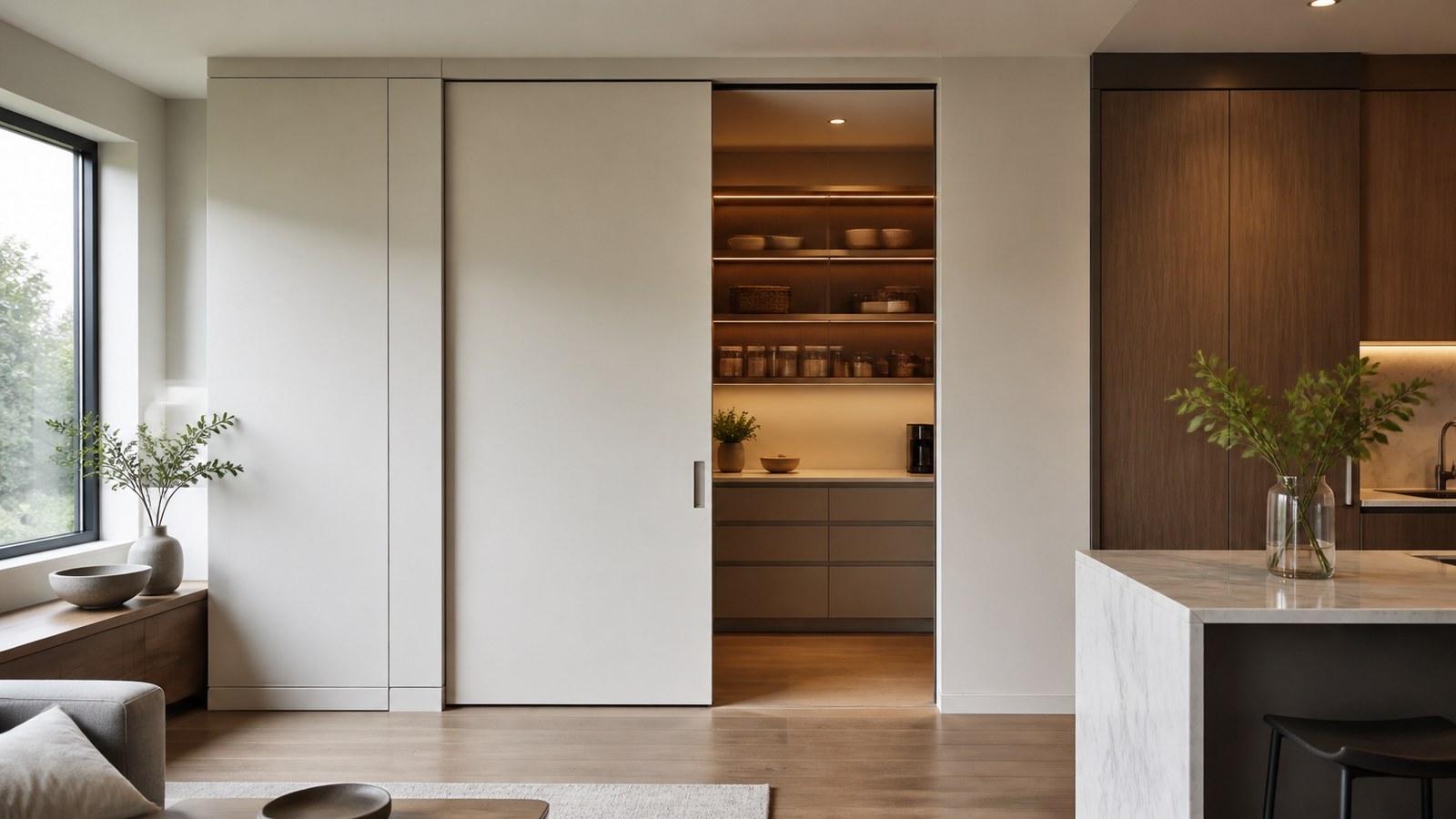
Concealed doors have moved far beyond novelty. Once reserved for historic libraries, luxury estates, or cinematic secret passages, they are now a realistic architectural feature for modern homes, apartments, offices, and studios. Homeowners are drawn to concealed doors for many reasons: minimalist aesthetics, space optimization, privacy, security, or simply the thrill of owning something unexpected. But one question inevitably comes up early in the planning stage: how much does it actually cost to install a concealed door? The answer depends on far more than the door itself. Concealed doors sit at the intersection of architecture, carpentry, hardware engineering, and interior design. Costs are influenced by materials, wall construction, hardware quality, finish work, and whether the project involves a retrofit or new construction. This article breaks down concealed door pricing in detail, helping you understand where the money goes, what affects the final cost, and how to budget realistically without sacrificing quality or safety.
A: Most installations range from $1,500 to $7,000 depending on design.
A: Yes, but mistakes can quickly erase savings.
A: Custom finishes, heavy doors, and structural changes.
A: Yes, but retrofits often cost more.
A: Typically yes due to cabinetry and weight.
A: They add uniqueness and perceived quality.
A: From a few hours to several days.
A: Security depends on hardware, not concealment alone.
A: Sometimes, especially for structural or fire-rated walls.
A: Plan early and invest in proper hardware.
What Exactly Is a Concealed Door?
A concealed door, sometimes called a hidden door or secret door, is designed to visually blend into the surrounding wall, cabinetry, shelving, or décor. Unlike standard interior doors that are framed, trimmed, and obvious, concealed doors eliminate traditional casing and use specialized hinges and frames to sit flush with the wall surface.
Some concealed doors are subtle and modern, disappearing into smooth drywall or wood paneling. Others are more playful or dramatic, disguised as bookcases, mirrors, cabinets, or decorative wall panels. The level of concealment, weight of the door, and complexity of the mechanism all influence installation costs.
Average Cost Range for Concealed Door Installation
For most homeowners, the total installed cost of a concealed door typically falls between $1,500 and $7,000. On the lower end, this might cover a simple flush concealed door using a pre-manufactured frame and basic finish work. On the higher end, the price reflects custom fabrication, premium hardware, specialized labor, and architectural integration.
Luxury concealed doors, particularly those designed for safe rooms, vaults, or high-end architectural spaces, can exceed $10,000. In rare cases involving structural modifications, reinforced walls, or advanced locking systems, costs may climb even higher. Understanding what drives these numbers is essential before committing to a design.
The Cost of the Concealed Door Itself
The door slab is one of the most visible components of the project, and pricing varies widely. Basic concealed door slabs made from MDF or engineered wood often start around $300 to $700. These are commonly used for paint-grade installations where the door blends seamlessly into drywall. Solid wood doors, veneer-wrapped panels, or oversized slabs can range from $800 to $2,500 depending on thickness, wood species, and finish quality. Heavier doors require stronger hinges and frames, which increases both material and labor costs.
Bookcase doors, mirror doors, and cabinet-style concealed doors usually cost more because they combine structural cabinetry with door mechanics. These units often range from $1,500 to $4,000 before installation, particularly if they are custom built.
Specialized Frames and Hidden Hinges
Unlike standard doors, concealed doors rely on precision hardware. The frame is often recessed into the wall and designed to accept drywall, plaster, or paneling so that no trim is visible. High-quality concealed door frames typically cost between $300 and $1,200 depending on size and brand.
Hidden hinges are another major cost factor. These hinges must support significant weight while allowing the door to open smoothly and align perfectly when closed. Entry-level concealed hinges may cost $50 to $100 per pair, while premium European-style or architectural hinges can exceed $300 to $600 per set. Because concealed doors demand tight tolerances, installers often recommend higher-end hardware to avoid sagging, misalignment, or long-term failure.
Labor Costs for Concealed Door Installation
Labor is where concealed doors differ most from standard interior doors. Installing a traditional door might take a few hours. Installing a concealed door often takes a full day or more, depending on the complexity of the wall, finish requirements, and hardware alignment.
Professional installation typically costs between $500 and $2,500. This includes framing modifications, precise hinge alignment, door fitting, and initial finish preparation. Custom concealed doors, especially those built into cabinetry or structural walls, may require both a carpenter and a finish specialist, increasing labor costs. Poor installation is the most common reason concealed doors fail to perform as intended, which is why experienced labor is essential even if it raises the upfront price.
Wall Modifications and Structural Considerations
One of the most overlooked cost factors is the wall itself. Concealed doors require specific framing conditions, particularly if the door is heavy or extra wide. Retrofitting a concealed door into an existing wall may require opening drywall, adjusting studs, or reinforcing framing to support the door’s weight.
If the wall is load-bearing, costs can rise significantly due to the need for structural headers or engineering approval. These modifications can add anywhere from $300 to $2,000 depending on complexity. New construction projects typically cost less overall because concealed doors can be planned into the framing stage, eliminating demolition and repair expenses.
Finish Work and Visual Integration
A concealed door is only as convincing as its finish. Paint-grade installations require seamless drywall work, precise mudding, sanding, and paint matching. Wood-paneled walls demand careful grain alignment and finishing so the door disappears visually.
Finish work often costs between $300 and $1,500 depending on materials and craftsmanship. Bookcase or mirror doors may involve additional cabinetry finishing, shelving alignment, or specialty glass installation.
This is also where many budget installations fall short. Skimping on finish work often results in visible seams, shadow lines, or mismatched textures that defeat the purpose of a concealed door.
Locks, Latches, and Access Mechanisms
Standard concealed doors may use push-to-open mechanisms, magnetic latches, or touch-release hardware. These systems typically cost between $50 and $300 and are suitable for low-security applications like closets, pantries, or private rooms.
For concealed doors used in offices, bedrooms, or secure spaces, higher-quality mechanical or electronic locks may be required. These can range from $200 to $1,000 depending on features such as keypad entry, RFID access, or biometric locking. Safe room or security-focused concealed doors often include reinforced locking systems that significantly increase overall project cost.
Custom vs. Pre-Manufactured Concealed Doors
Pre-manufactured concealed door kits offer a more predictable cost structure. These systems typically include the frame, hinges, and basic instructions, with prices ranging from $700 to $2,500 depending on size and quality.
Custom concealed doors are built specifically for your space and design goals. While more expensive, often starting around $3,000 and rising from there, they allow for complete control over materials, finishes, dimensions, and concealment style.
The choice between custom and pre-manufactured depends on budget, design expectations, and how critical the concealment effect is to the overall space.
Cost Differences by Concealed Door Type
Flush wall concealed doors tend to be the most affordable option because they rely on clean geometry and minimal materials. Bookcase doors are more expensive due to shelving construction and weight considerations. Mirror doors add cost through glass and mounting systems, while cabinet or panel-integrated doors fall somewhere in between.
Security-oriented concealed doors, such as safe room or vault entries, are the most expensive due to reinforced cores, steel frames, and advanced locking mechanisms. These installations often resemble specialty construction projects rather than standard interior upgrades.
DIY vs. Professional Installation Costs
While DIY concealed door kits exist, they are best suited for experienced builders with precision tools and finish skills. DIY material costs may fall between $500 and $1,500, but mistakes can quickly erase any savings.
Professional installation costs more upfront but dramatically reduces the risk of alignment issues, operational problems, and finish defects. For most homeowners, concealed doors are a feature worth doing once and doing right.
Long-Term Value and Return on Investment
Concealed doors rarely offer a direct resale value comparable to kitchens or bathrooms, but they add a unique architectural feature that differentiates a home. In high-end markets, concealed doors can enhance perceived quality, especially when integrated into minimalist or luxury interiors. They also offer functional value by improving privacy, reducing visual clutter, and creating flexible spaces. When installed correctly, a concealed door can last decades with minimal maintenance.
Budgeting Tips for Concealed Door Projects
Setting a realistic budget starts with defining your goal. If aesthetics matter most, invest in finish work. If security matters, prioritize hardware and framing. Avoid cutting corners on hinges and installation labor, as these are the most critical components.
Planning concealed doors during new construction or major renovations almost always reduces costs. Retrofitting is possible, but it requires careful assessment of wall structure and finishes.
Final Thoughts on Concealed Door Installation Costs
Installing a concealed door is part architectural upgrade, part craftsmanship investment. While costs can vary widely, understanding the components involved allows you to plan intelligently and avoid surprises. From simple flush doors to elaborate hidden passages, concealed doors offer a blend of function, mystery, and design sophistication that few other features can match. When done well, a concealed door doesn’t just hide a room. It elevates the entire space, turning everyday architecture into something memorable, refined, and quietly impressive.